Hydraulic cylinders often fail due to wear and corrosion—especially in harsh industrial environments.
Laser cladding replaces traditional hard chrome plating with stronger, safer, and longer-lasting alloy coatings that withstand pressure, friction, and corrosion.
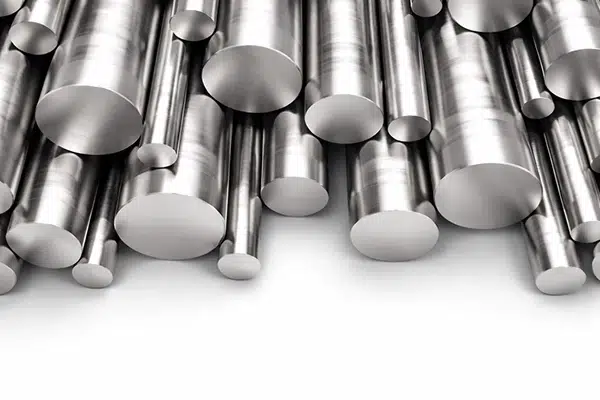
Hard chrome has served industry for decades, but environmental regulations and performance limits are pushing manufacturers to find better solutions. Laser cladding offers a proven, eco-friendly upgrade for both new hydraulic parts and remanufacturing. Here’s why it matters.
Why is laser cladding a better alternative to hard chrome?
Hard chrome cracks, peels, and contaminates. Laser cladding1 bonds permanently with the substrate.
Laser cladding1 forms a metallurgically bonded alloy layer that resists wear and corrosion—without the environmental risks of chrome.
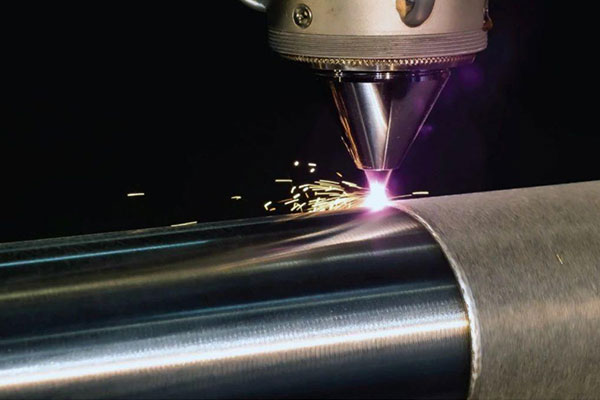
What’s wrong with hard chrome plating2?
Hard chrome plating is widely used for hydraulic cylinder rods and surfaces, but it’s becoming outdated. It suffers from microcracking, delamination, and a hazardous chemical process that involves hexavalent chromium. Regulatory pressure is growing worldwide to phase it out.
In contrast, laser cladding uses a high-power laser to fuse metal powders (such as Inconel, Stellite, or tungsten carbides) directly onto the rod surface. This process creates a dense, crack-free, wear-resistant layer that lasts significantly longer than chrome—without the toxic chemicals.
| Criteria | Hard Chrome Plating | Laser Cladding |
|---|---|---|
| Bonding | Mechanical | Metallurgical |
| Wear Resistance | Moderate | High |
| Corrosion Resistance | Limited | Excellent |
| Environmental Impact | High (toxic waste) | Low (no toxic residue) |
| Service Life | Shorter | Longer |
What this means for maintenance teams
Instead of replacing or replating worn rods every few months, laser-cladded rods can last significantly longer—even under extreme mechanical load, heat, and chemical exposure. This reduces downtime, extends maintenance cycles, and lowers overall cost of ownership.
What are the benefits of laser cladding3 for hydraulic systems?
From mining and oil rigs to injection molding and marine equipment—hydraulic cylinders work in demanding environments.
Laser cladding is the most robust surface treatment for hydraulic parts, delivering high performance and sustainability.
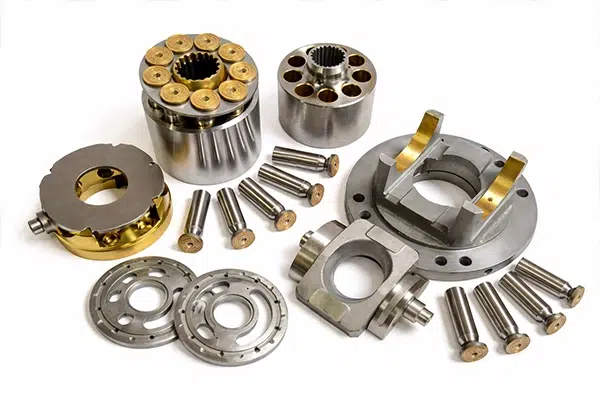
Key benefits that outperform traditional chrome
1. Metallurgical bonding, no peeling
Unlike electroplated chrome, which relies on weak mechanical adhesion, laser cladding3 fuses the coating to the base metal at the molecular level. This eliminates delamination, cracking, or peeling even under repeated stress and impact.
2. Environmentally compliant
Laser cladding avoids hexavalent chromium, making it fully compliant with EU REACH and other international environmental standards. Companies using laser cladding3 reduce their toxic emissions, waste treatment costs, and environmental liabilities.
3. Works for new parts and remanufacturing
Laser cladding is highly versatile. It can be applied to new hydraulic components or used to restore worn or damaged parts—saving money and reducing raw material consumption.
| Feature | Benefit |
|---|---|
| Crack-free alloy coatings | High resistance to fatigue and stress |
| Customizable cladding alloys | Tailored for specific load or corrosion |
| Low heat input | Minimal distortion or dimensional shift |
| Compatible with polishing | Achieve mirror-smooth surfaces |
| Long-term durability | Lower TCO for heavy-duty hydraulic systems |
How does 活力激光 enable laser cladding for hydraulic applications?
Laser cladding needs high-precision laser modules with consistent energy output and thermal control.
活力激光 offers diode laser platforms4 with narrow-spectrum, stable power output—ideal for both fine surface work and deep alloy bonding.
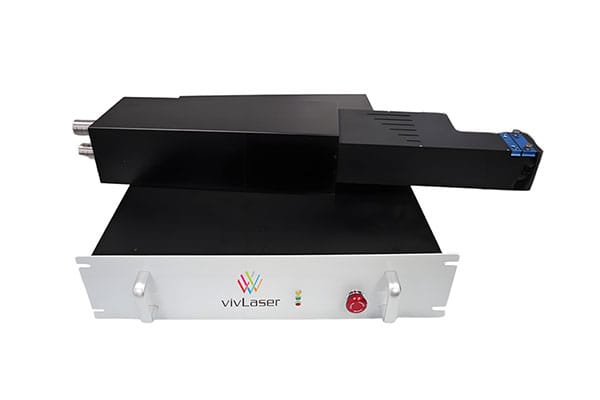
Engineered for Long-Term Protection of Hydraulic Seals and Rods
活力激光’s 高功率半导体激光器 are purpose-built for cylindrical cladding with consistent, repeatable results—even on reflective or heat-sensitive metals.
-
Controlled Thermal Input
Prevents shaft warping and ensures smooth transitions between coated and uncoated zones. -
Precision Alloy Deposition
Maintains tight tolerances for seal compatibility, even with thick wear-resistant layers. -
Scalable Power Options
Choose from 300 W to 100 kW output, suitable for repair shops or high-volume cylinder production. -
Modular System Architecture
Replace or upgrade optics and laser heads without halting your operation. -
Full Automation Compatibility
Easily integrates with lathe-based cladding stations, robotic welding arms, and CNC retrofits.
| 活力激光 Advantage | Application Impact |
|---|---|
| Locked-wavelength stability | Consistent alloy fusion across all zones |
| Compact laser modules | Flexible for both in-house and field setups |
| Long lifespan components | Designed for 24/7 industrial operations |
| Global support & OEM-ready | Trusted by machine builders worldwide |
Conclusion
Laser cladding is the future of hydraulic surface protection. With 活力激光’s advanced diode laser systems, you can extend the life of your cylinders, comply with green regulations, and reduce long-term maintenance costs—all with one clean, efficient process.
-
Explore the advantages of laser cladding to understand its superior performance and environmental benefits. ↩ ↩
-
Learn about the drawbacks of hard chrome plating and why industries are moving towards safer alternatives. ↩
-
Explore this link to understand how laser cladding enhances performance and sustainability in hydraulic systems. ↩ ↩ ↩
-
Explore how diode laser platforms enhance precision and efficiency in industrial applications, making them a game-changer. ↩