Struggling with excessive brake dust, short lifespans, and unstable performance in automotive brakes?
Laser cladding is changing the game by forming dense, wear-resistant coatings that drastically improve the performance and sustainability of brake discs and drums.
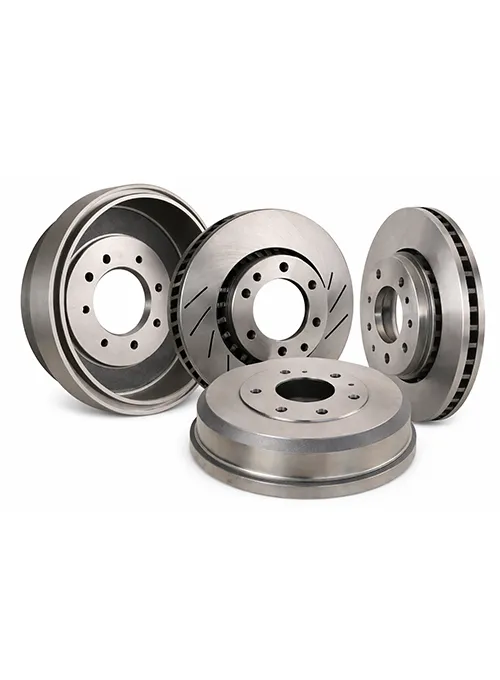
What if we could make vehicle brakes cleaner, longer-lasting, and more stable—without changing the core system? That’s exactly what laser cladding technology brings to automotive brake components. Let’s explore how this high-tech coating process is setting new standards in automotive manufacturing.
What is laser cladding1, and why does it matter for brakes?
Brake dust is a health and environmental issue—and traditional brake materials wear out too fast.
Laser cladding creates a tough, metallurgically bonded layer on brake surfaces, significantly improving wear resistance and reducing brake dust emissions2.
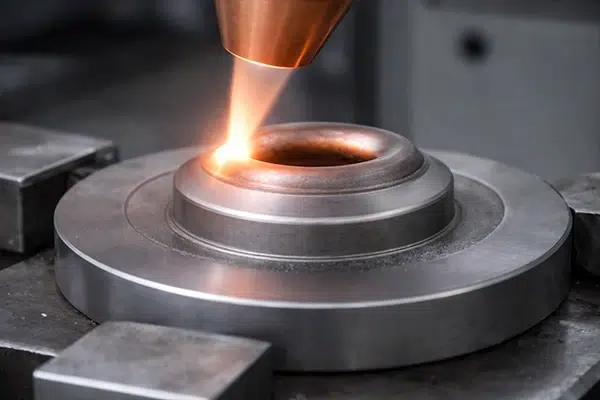
How laser cladding1 works
Laser cladding uses a high-power laser to melt metal powder onto a base material, forming a strong, wear-resistant coating. For brake discs and drums, this process creates a uniform, dense layer on the friction surface. This layer prevents direct contact between the original metal and external contaminants, reducing material loss and extending brake life.
| Traditional Braking Surface | Laser-Cladded Braking Surface |
|---|---|
| High wear and tear | Superior wear resistance |
| Generates lots of brake dust | Significantly lower emissions |
| Shorter lifespan | Extended component life |
| Inconsistent performance | Stable, predictable behavior |
Why this matters for vehicle manufacturers
In the age of electrification and sustainability, automakers are under pressure to reduce particulate emissions. Laser cladding offers a cost-effective way to meet these goals without redesigning the entire braking system. It’s scalable, compatible with existing production lines, and ready for high-volume adoption.
What are the typical benefits of laser-cladded brake components?
Not all coatings are created equal. So, why is laser cladding especially suited for automotive brakes?
Laser-cladded brakes offer less dust, better wear performance, and compatibility with mass production—ideal for modern vehicle platforms.
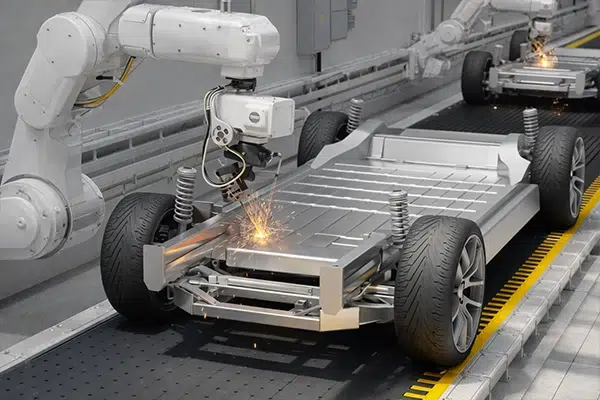
Performance and environmental benefits
Compared to traditional cast-iron surfaces, laser-cladded brake components perform better under stress and over time. Here’s what sets them apart:
1. Reduced brake dust generation
Brake dust is mainly caused by the frictional wear of pads and rotors. With laser cladding, the surface wears down much more slowly. This means fewer airborne particles that harm both human health and the environment—especially important in urban and densely populated areas.
2. Improved wear resistance3
Laser-cladded coatings are not just harder—they are bonded into the base metal. This improves resistance to abrasion, corrosion, and thermal fatigue, which are common in high-speed or high-load braking conditions.
3. Compatible with large-scale production
One of the biggest advantages of laser cladding is its scalability. With the right laser source—like 活力激光’s high-power semiconductor laser modules—manufacturers can integrate laser cladding into automated lines, ensuring consistent quality at high throughput rates.
| Benefit | Impact on Automotive Production |
|---|---|
| Lower brake dust | Meets EU and global emission regulations |
| Longer component life | Reduces maintenance and replacement costs |
| High reliability | Better consumer experience |
| Fast processing speed | Suitable for automated production lines |
How can 活力激光 support laser cladding applications in the automotive industry?
Laser cladding relies on high-power, stable, and efficient laser sources to deliver consistent results.
活力激光 offers advanced semiconductor laser modules4 with locked-wavelength technology, ensuring optimal energy delivery and high reliability in surface treatment applications.
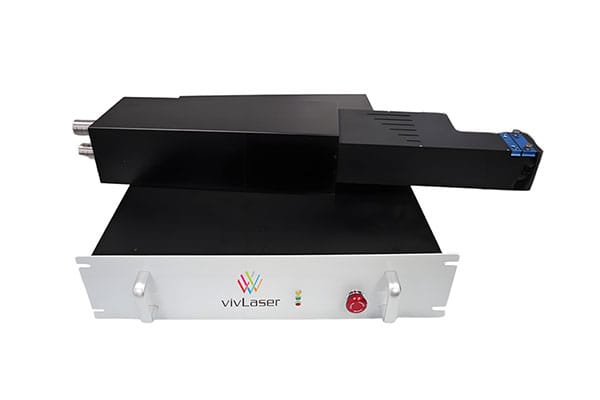
Built for Clean, Consistent Coating in Automotive Lines
活力激光’s diode laser systems provide the accuracy and thermal stability required for friction-sensitive components like brake rotors.
-
Even Surface Energy Delivery
Our system ensures coating uniformity with low dilution, minimizing the heat-affected zone and preserving base material hardness. -
Precision Heat Control
Localized heating avoids deformation, which is critical for disc flatness and braking stability. -
Compact & Configurable Units
Modular laser heads and optics simplify deployment in compact, automated assembly lines. -
Single Platform, Multi-Purpose
From targeted rotor edge protection to full disc resurfacing—one platform handles it all. -
Automation-First Design
活力激光 modules are compatible with conveyor systems, robotic cells, and inline quality checks for automotive manufacturing.
| Feature | Benefit for Laser Cladding |
|---|---|
| Stable melt pool | Reduced dilution, better metallurgy |
| Minimal heat distortion | Precision in sensitive components |
| Modular architecture | Lower maintenance & easy upgrades |
| Scalable laser platform | One system fits many applications |
| Automation ready | Plug-and-play with industrial robotics |
Conclusion
Laser cladding is redefining what’s possible in brake performance and sustainability. With 活力激光’s advanced laser technology, automotive manufacturers can deliver cleaner, longer-lasting, and more reliable braking systems at scale.
-
Explore this link to understand how laser cladding enhances automotive components, improving durability and sustainability. ↩ ↩
-
Discover effective strategies to minimize brake dust emissions, contributing to a healthier environment and better vehicle performance. ↩
-
Discover the benefits of wear resistance in laser-cladded components and its significance in automotive safety and longevity. ↩
-
Explore this link to understand how semiconductor laser modules enhance automotive applications, ensuring efficiency and precision. ↩